
Latest Matt Jensen & Lisette Bouche Novel
Explore My Action-Packed Adventure Thrillers and Historical Fiction Books
From gripping adventure thrillers to historical quests, my books are crafted
for readers who love exciting adventure, historic, espionage, and WW2 stories.
Browse my collections, read plot descriptions, and buy your next great read today!
Jensen & Bouche Series - Dr Helen Brooks Series - Rob Napier Series - Realm of the Raven Series
OUT NOW
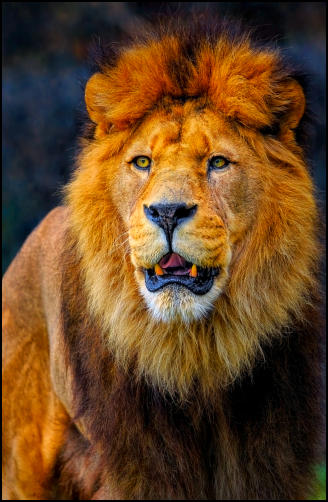
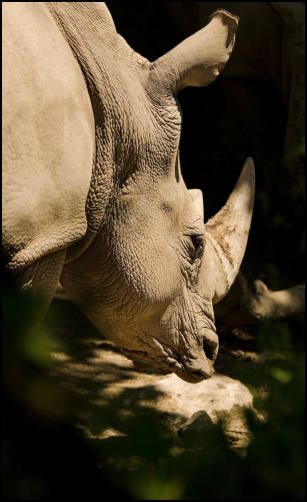

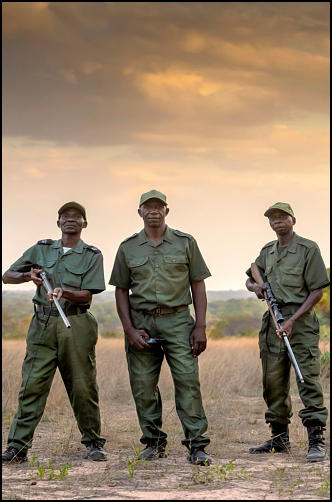
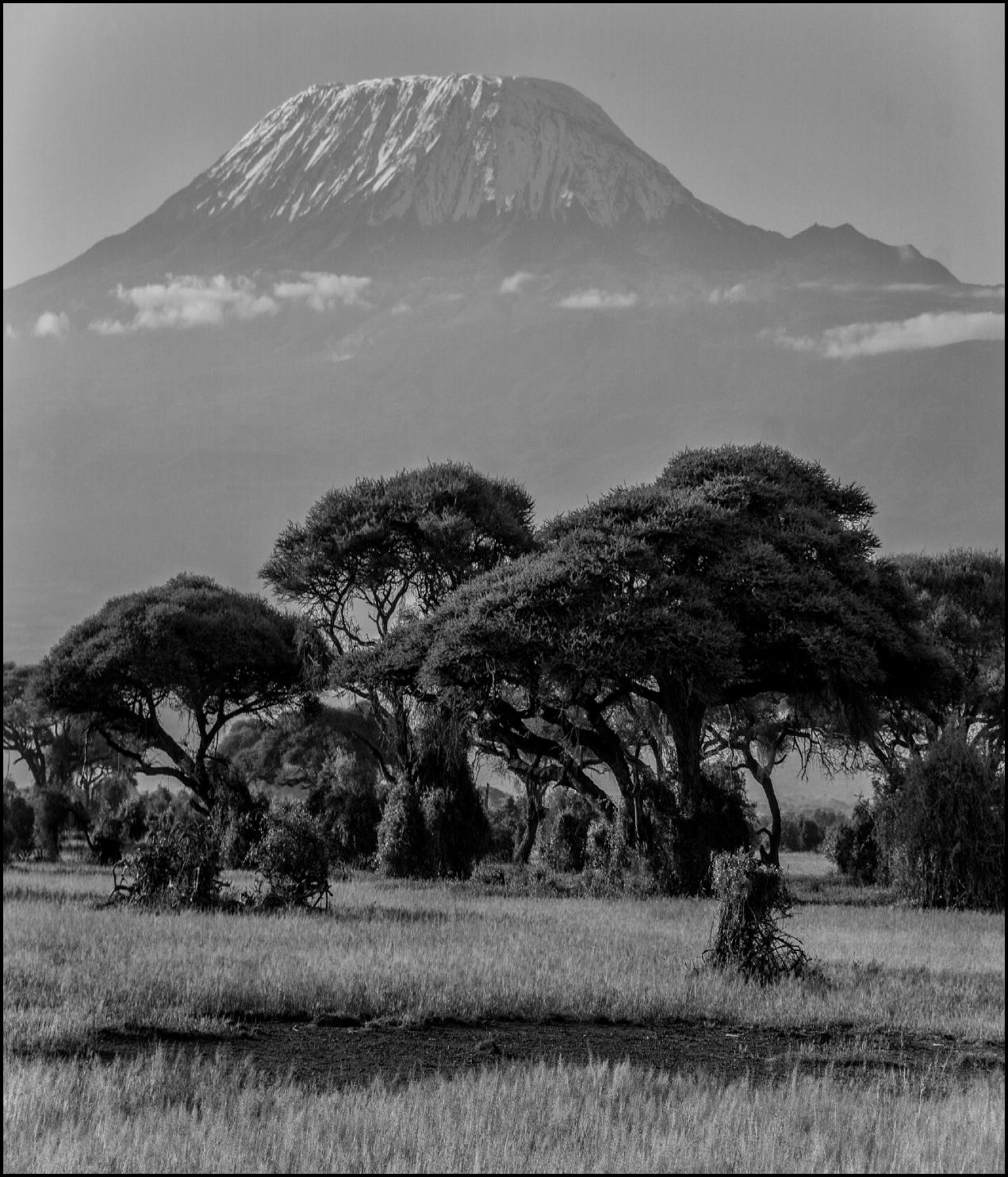
Image by Angela from Pixabay
Image by Nina from Pixabay
Image by Tyli jura from Pixabay
Image by Mike Wall from Pixabay
Image by Rolf Dobberstein from Pixabay
Michael Wilkinson — Adventure, Historical & WWII Thriller Novels
Wildlife Rangers
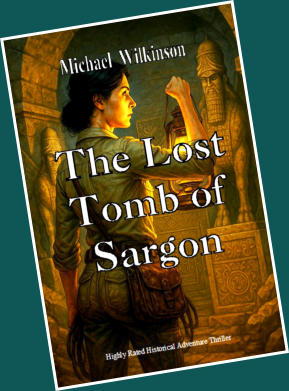

Embark on a journey into the heart of Fiction and Non-Fiction





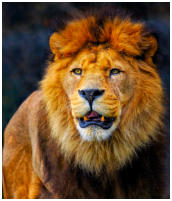
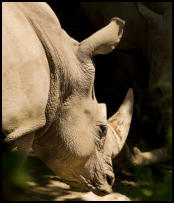
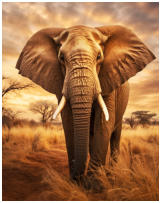

The Wildlife Rangers
Image by Angela from Pixabay
Image by Tyli jura from Pixabay
Image by Nina from Pixabay
Image by Mike Wakk from Pixabay
Menu
OUT NOW
Latest Matt Jensen & Lisette Bouche Novel
Image by Rolf Dobberstein from Pixabay
Michael Wilkinson
Embark on a journey…
into the heart of storytelling

Dr Helen Brooks Archaeological Historical Series
Michael Wilkinson
Jensen & Bouche Adventure Series
Rob Napier Wartime Thriller Series


Realm of the Raven Series


AVAILABLE NOW
AVAILABLE NOW
AVAILABLE NOW
AVAILABLE NOW
AVAILABLE NOW
Gripping WWII Special Operations thriller series
Step
into
the
shadows
of
World
War
II
with
The
Rob
Napier
Series
,
a
powerful
and
gritty
saga
following
Australian
intelligence
officer
Colonel
Rob
Napier
,
a
battle-hardened
veteran
tasked
with
leading
dangerous behind-the-lines missions against the Japanese in the Pacific.
Realm of the Raven is an epic fantasy-adventure saga
Set
in
a
richly
imagined
natural
world,
where
intelligent
ravens—descendants
of
the
legendary
Tower
of
London
flock—embark
on
a
perilous
journey
to
reclaim
their
freedom,
forge
alliances,
and
confront ancient rivalries in the skies of Britain.
After
centuries
of
captivity
in
the
Tower
of
London,
a
visionary
raven
named
Angharad
dares
to
dream
of
escape.
Despite
their
clipped
wings,
he
devises
a
revolutionary
flying
method,
inspired
by
observing
human
aircraft,
that
allows
a
daring
break
for
freedom.
Alongside
a
small
band
of
loyal
companions,
including
the
sharp-witted
Suibne
,
they
flee
northward
toward
the
wild
highlands
of
Scotland in search of a new home where ravens might live free.
Set In a world where history is curated by the victors and truths are entombed
Dr.
Helen
Brooks
is
a
rare
force
of
disruption.
A
renowned
archaeologist
and
expert
in
ancient
languages,
Helen’s
relentless
pursuit
of
lost
knowledge
has
taken
her
from
the
crumbling
ziggurats
of
Mesopotamia
to
sun-scorched
Anatolian
battlefields,
into
tombs
sealed
by
forgotten dynasties, and archives silenced by politics and war.
The
series
explores
major
archaeological
enigmas
rooted
in
real-world
history:
forgotten
empires,
lost
battles,
apocryphal
scrolls,
cryptic stelae, suppressed treaties, and sacred technologies hidden for millennia.
Unveiling the clandestine realm of esponage, Intrique and uncharted terriories
When
the
world’s
most
dangerous
secrets
slip
into
the
shadows,
two
operatives
stand
between
chaos
and
control.
Matt
Jensen
—a
former
Naval
intelligence
officer
and
MI6
Commander,
partnered
by
Lisette
Bouche
—a
former
French
DGSE
agent
and
brilliant
cryptanalyst
with
a
legacy
rooted
in
Cold
War
espionage—they
form
an
elite,
off-the-books
team
assigned
to
unravel
threats
from
war-torn
deserts
to
encrypted
temples
beneath
Europe,
their
missions
are
as
cerebral
as
they
are
explosive.
The
Jensen
&
Bouche
series
blends
global
politics,
esoteric
lore,
and
cutting-edge
science
into
a
pulse-
pounding narrative.
OUT NOW

COMING SOON

COMING SOON

COMING SOON

COMING SOON






Welcome to the World of Adventure & Historical Novels
From gripping historical to adventure thrillers and daring WWII missions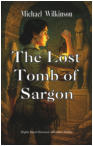
Dr Helen Brooks Archaeological Historic Series

Rob Napier Adventure Series
Realm of the Raven Fantasy Series
Coming Soon
Matt Jensen & Lisette Bouche Adventure Series

OUT NOW
Available Now
Available Now
Available Now
Available Now
Available Now
Coming Soon
Coming Soon

Michael Wilkinson
Menu
Pogradec, Albania - August 2011
Peter Jensen nervously paste about the room, then stopping suddenly turned to Vasil Alan, we should have heard from Anna by now!
Peter lifted his night vision glasses up and silently slid out his Glock 19 compact gun and retrieved his silencer from his inside pocket and
slowly screwed the silencer onto the guns threaded barrel. He raised and extended his arms pointing the weapon towards the guard
through the trees and gently slid off each of the three safeties and, then looking through the modular optic system took careful aim and
gradually squeezed the trigger.
What is it Vasil?
I found Anna, she is in the old wooden outbuilding over there, Peter! She is dead!
Peter ran over and pushed open the big heavy wooden door and grasped. No! No! Please God No!
Trinity Club, London - Seven years later
T
rinity Club, Bayswater, please cabbie.
Yes Sir.
Matt sank back into the worn leather seat as the black cab pulled out from the taxi rank at London’s Euston station. Gazing out of the
side window, as the streets of London flash by, he wondered, why after all these years, David had contacted him and invited him to
meet for lunch at his club today?
Anyway, Matt, I have been assigned the task of organising the wide-ranging security, for the attendance at a notable event by the Prime
Minister, together with another head of state.
That’s where you come in Peter, what you say about joining me as my number one? Be like old times, so to speak!
Matt’s spine shivered as his mind suddenly flashed back seven years to his mission in Albania and the gruesome memory of his partner
Anna being brutally tortured and killed.
Kishmayo, Somalia
Abdul Malik stood gazing out of the Al Rashid hotel window, out across the shimmering surface of the Indian Ocean. He was watching the
quivering reflection of the enormous red sun that was rapidly sliding down the distant rim of the horizon.
He walked purposely across to the large marble table and slowly dropped his gaze to the British Admiralty chart that was laid out upon
the table.
The English coast my brothers . . .
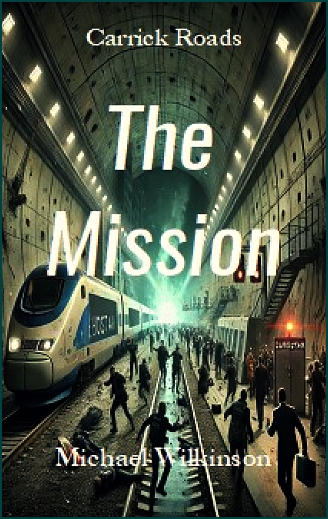
Michael Wilkinson
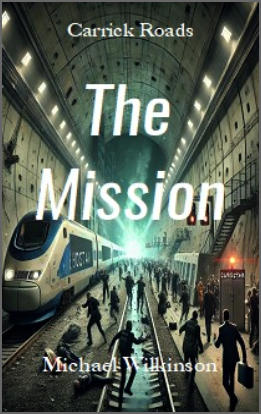
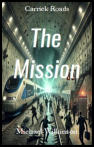
Carrick Roads - The Mission

£3:99

£6:99


Paperback
Ebook
Pogradec, Albania - August 2011
Matt
Jensen
nervously
paste
about
the
room,
then
stopping
suddenly
turned
to
Vasil
Alan,
we
should
have
heard
from
Anna by now!
Matt
lifted
his
night
vision
glasses
up
and
silently
slid
out
his
Glock
19
compact
gun
and
retrieved
his
silencer
from
his
inside
pocket
and
slowly
screwed
the
silencer
onto
the
guns
threaded
barrel.
He
raised
and
extended
his
arms
pointing
the
weapon
towards
the
guard
through
the
trees
and
gently
slid
off
each
of
the
three
safeties
and,
then
looking
through
the
modular
optic
system
took
careful
aim
and gradually squeezed the trigger.
What is it Vasil?
I
found
Anna,
she
is
in
the
old
wooden
outbuilding
over
there, Matt! She is dead!
Peter
ran
over
and
pushed
open
the
big
heavy
wooden
door
and
grasped.
No!
No!
Please
God No!
Trinity Club, London - Seven years later
T
rinity Club, Bayswater, please cabbie.
Yes Sir.
Matt
sank
back
into
the
worn
leather
seat
as
the
black
cab
pulled
out
from
the
taxi
rank
at
London’s
Euston
station.
Gazing
out
of
the
side
window,
as
the
streets
of
London
flash
by,
he
wondered,
why
after
all
these
years,
David
had
contacted
him
and
invited
him
to
meet
for lunch at his club today?
Anyway,
Matt,
I
have
been
assigned
the
task
of
organising
the
wide-ranging
security,
for
the
attendance
at
a
notable
event
by
the
Prime
Minister,
together
with
another
head
of
state.
That’s
where
you
come
in
Peter,
what
you
say
about
joining
me
as
my
number
one?
Be
like
old times, so to speak!
Matt’s
spine
shivered
as
his
mind
suddenly
flashed
back
seven
years
to
his
mission
in
Albania and the gruesome memory of his partner Anna being brutally tortured and killed.
Kishmayo, Somalia
Abdul
Malik
stood
gazing
out
of
the
Al
Rashid
hotel
window,
out
across
the
shimmering
surface
of
the
Indian
Ocean.
He
was
watching
the
quivering
reflection
of
the
enormous
red
sun that was rapidly sliding down the distant rim of the horizon.
He
walked
purposely
across
to
the
large
marble
table
and
slowly
dropped
his
gaze
to
the
British Admiralty chart that was laid out upon the table.
The English coast my brothers . . .

The Mission…
High stakes thriller
Paperback
Ebook
£3:99

£6:99
Michael Wilkinson
Menu
Rail Control Centres (RCC)
Following the deadly VX gas attack by the Avenging Lions, killing the British Prime Minister, French President and scores of other people, at
the opening ceremony of the new Channel Freight tunnel. Matt Jensen and Lisette Bouche, joined by the UK and French counter-terrorism
officers, are trying to piece together what happened!
Commander Lawrence Paxton (Head of Scotland Yard’s Counter Terrorism Command) walked over to Matt. “Can we get access to all the
CCTV recordings for the rail and service tunnels and ventilation plant areas, for the past five days?”
* * *
Stephen Barkley (Senior Scientist) helped the two train drivers, Dereck and Norman, to get into their HazMat suits.
Dereck scowled at Stephen “These don’t leak, do they mate?” said Dereck, shooting a worried look at his friend Norman.
“No, we’ve tested and sterilised them, you’ll be quite safe,” said Stephen, laughing.
“Yeh! Okay, but what’s this breathing apparatus kit? Not worn one of these contraptions before! I mean if it runs out of air, I’ll suffocate,
won’t I?”
Cabinet Office, London - 2 Weeks Later
The Cabinet Office Briefing Room ‘A’ (COBR), was crowded with senior commanders-in-chief from several UK and French security and
intelligence agencies. They stood around, in several groups, conversing.
Matt and Lisette wandered over and sat down next to an old colleague he’d worked with many years ago in Naval Intelligence. The
chatter suddenly went quiet as Angela Dryden (Deputy Prime Minister) and Rosemary Harding (Home Secretary) entered the room, taking
their seats in the middle of the long conference table.
“Please be seated Ladies and Gentlemen.”
Matt noticed the Deputy Prime minister, looked weary and anxious.
“Good morning ladies and gentlemen, thank you for coming at such short notice. May I also offer a special welcome to Monsieur Dupro
from the French intelligence service,” said Angela.
Dupro nodded his head, “Merci Madam”
“I’ve asked the Home Secretary, Rosemary, to conduct this meeting, as she has general background knowledge of the incident.”
“Thank you, Deputy Prime Minister,” said Rosemary. “As you all know two weeks ago, we suffered a horrific terrorist attack, using deadly
poisonous nerve gas, at the opening ceremony of the new Channel Freight Tunnel. Tragically, our Prime Minister and, the French President
was among the many people killed.”
Kismayo, Somalia
Tarabi Osman glanced down at his mobile phone as it started ringing. Recognising Khalid’s photo, he lifted it to his ear “Khalid, Salaam
Alaykum.”
“Alaykum Salaam,” said Khalid in reply.
Tarabi leaned back in the passenger seat of his Toyota Hilux pick-up. “This is a surprise, Khalid. How are things over there in England?”
“We have a problem—that’s why I needed to call you.”
Tarabi detected a note of anxiety in Khalid’s voice. “What kind of problem?”
“I’ve discovered that your brother Daleel, Taagir and, the other three were all betrayed by Jabir Al Masri. He sent his assassin to murder
them. They then tipped off the police with their hotel location.”
Tarabi’s face tightened. He gestured wildly to his driver Hameed, to pull the car over. “Daleel was murdered! why?” He exclaimed. “Who
was this assassin?”
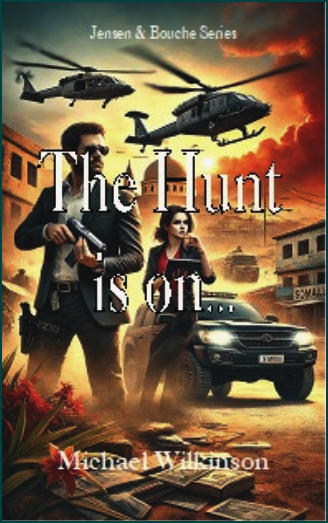
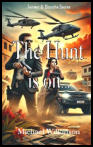
Carrick Roads - The Hunt is On . . .
Michael Wilkinson
£3:99

£7:99

Paperback
Ebook
Rail Control Centres (RCC)
Following the deadly VX gas attack by the Avenging Lions,
killing the British Prime Minister, French President and scores
of other people, at the opening ceremony of the new Channel
Freight tunnel. Matt Jensen and Lisette Bouche, joined by
the UK and French counter-terrorism officers, are trying to
piece together what happened!
Commander Lawrence Paxton (Head of Scotland Yard’s
Counter Terrorism Command) walked over to Matt. “Can we
get access to all the CCTV recordings for the rail and service
tunnels and ventilation plant areas, for the past five days?”
* * *
Stephen Barkley (Senior Scientist) helped the two train drivers,
Dereck and Norman, to get into their HazMat suits.
Dereck scowled at Stephen “These don’t leak, do they mate?” said Dereck, shooting a worried
look at his friend Norman.
“No, we’ve tested and sterilised them, you’ll be quite safe,” said Stephen, laughing.
“Yeh! Okay, but what’s this breathing apparatus kit? Not worn one of these contraptions
before! I mean if it runs out of air, I’ll suffocate, won’t I?”
Cabinet Office, London - 2 Weeks Later
The Cabinet Office Briefing Room ‘A’ (COBR), was crowded with senior commanders-in-chief
from several UK and French security and intelligence agencies. They stood around, in several
groups, conversing.
Matt and Lisette wandered over and sat down next to an old colleague he’d worked with many
years ago in Naval Intelligence. The chatter suddenly went quiet as Angela Dryden (Deputy
Prime Minister) and Rosemary Harding (Home Secretary) entered the room, taking their seats
in the middle of the long conference table.
“Please be seated Ladies and Gentlemen.”
Matt noticed the Deputy Prime minister, looked weary and anxious.
“Good morning ladies and gentlemen, thank you for coming at such short notice. May I also
offer a special welcome to Monsieur Dupro from the French intelligence service,” said Angela.
Dupro nodded his head, “Merci Madam”
“I’ve asked the Home Secretary, Rosemary, to conduct this meeting, as she has general
background knowledge of the incident.”
“Thank you, Deputy Prime Minister,” said Rosemary. “As you all know two weeks ago, we
suffered a horrific terrorist attack, using deadly poisonous nerve gas, at the opening ceremony
of the new Channel Freight Tunnel. Tragically, our Prime Minister and, the French President
was among the many people killed.”
Kismayo, Somalia
Tarabi Osman glanced down at his mobile phone as it started ringing. Recognising Khalid’s
photo, he lifted it to his ear “Khalid, Salaam Alaykum.”
“Alaykum Salaam,” said Khalid in reply.
Tarabi leaned back in the passenger seat of his Toyota Hilux pick-up. “This is a surprise,
Khalid. How are things over there in England?”
“We have a problem—that’s why I needed to call you.”
Tarabi detected a note of anxiety in Khalid’s voice. “What kind of problem?”
“I’ve discovered that your brother Daleel, Taagir and, the other three were all betrayed by
Jabir Al Masri. He sent his assassin to murder them. They then tipped off the police with their
hotel location.”
Tarabi’s face tightened. He gestured wildly to his driver Hameed, to pull the car over. “Daleel
was murdered! why?” He exclaimed. “Who was this assassin?”
The Hunt is On . . .
High-Stakes Adventure Thriller

Paperback
Ebook
£3:99

£7:99
Michael Wilkinson
Menu
1945 - Wewelsburg Castle, Germany
Twelve SS Officers stood up, from the round table, as Heinrich Himmler strolled into the Castle’s North Tower Obergruppenfűrersaal (SS Generals’ Hall) central chamber. Please
Gentlemen, gesturing with his hand to indicate they should relax and sit down. They settled down onto their high backed oak chairs, waiting for the Reichsfűrer to address
them.As you are aware the Fűhrer and I have put into place our plan for the Third Reich’s rising again. During the past few months, detailed planning has been conducted in
developing the necessary components required for the successful achievement of this plan. We can rest assured that over the next 75 years, descendants of our Order of The
Sword (OTS) will continue to guard the Secret Memorandum until scheduled to be activated in the year 2020. Reichsfűrer, may I propose a toast to the Third Reich’s future era?
Said, SS Oberstgruppenfűrer Manfred von Geller.
2020 -Maison de Mûrier, France
Lisette, VJ and Matt eagerly hurried over and stood outside the main entrance of their new office complex. Well! Lisette, VJ, it’s the launch day for the grand opening of our
new business venture. Said, Matt, excitedly. Lisette held the crimson and cream ribbon, that was draped across the office door. I declare ‘JB Associates’ base of operations –
open for business.
Matt looked up from a piece of paper he’d been reading, from the green file. Not sure what to make of this? It appears Interpol want urgently to meet with us to discuss a
potentially serious security threat. He held up the sheet of paper. They refer to a Secret Memorandum, issued by, no less than,Reichsfűrer Heinrich Himmler, in February 1945.
It refers to the planned resurgence of the Third Reich, after 75 years? That’s now! Also, there’s a reference to an Order of the Sword (OTS)?
Interpol HQ, Lyon, France
Director Didier Garon of Interpol, gestured toward a large cherry red leather sofa. Please make yourselves comfortable. How did you come by this so-called Secret
Memorandum, written allegedly by Reichsfűrer Heinrich Himmler in 1945, Monsieur? A valid question Commander Jensen. We too were sceptical about receiving and reading
these documents. Himmler’s covering letter and page 2 of this Secret Memorandum, unfortunately only page 2 of the 23 pages was found, which seems to be a summary page! It
was found by a Dutch Tourist’s 9-year-old son, who went off exploring. He discovered a rusty metal tube hidden behind brickwork at the back of an old medieval fireplace, in
Wewelsburg Castle.
Matt blew out his cheeks. My God! this secret memorandum summary, on page 2, proclaims an alliance of this Order of the Sword with active Pro-Nazi fascist terrorist groups
throughout Europe and Russia. They intend to carry out coordinated strikes on EU targeted countries, as they’ve listed on page 9 of this memorandum? That is a bloody scary
thought!
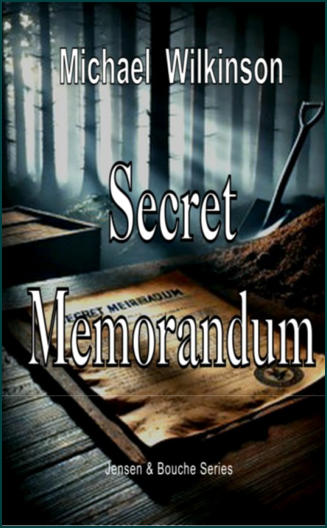
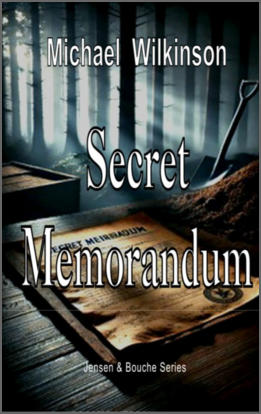
Secret Memorandum
Michael Wilkinson
A WWII Conspiracy Adventure Thriller
£3:99

£7:99

Paperback
Ebook
1945 - Wewelsburg Castle, Germany
Twelve
SS
Officers
stood
up,
from
the
round
table,
as
Heinrich
Himmler
strolled
into
the
Castle’s
North
Tower
Obergruppenfűrersaal
(
SS
Generals’
Hall)
central
chamber.
Please
Gentlemen,
gesturing
with
his
hand
to
indicate
they
should
relax
and
sit
down.
They
settled
down
onto
their
high
backed
oak
chairs,
waiting
for
the
Reichsfűrer
to
address
them.As
you
are
aware
the
Fűhrer
and
I
have
put
into
place
our
plan
for
the
Third
Reich’s
rising
again.
During
the
past
few
months,
detailed
planning
has
been
conducted
in
developing
the
necessary
components
required
for
the
successful
achievement
of
this
plan.
We
can
rest
assured
that
over
the
next
75
years,
descendants
of
our
Order
of
The
Sword
(OTS)
will
continue
to
guard
the
Secret
Memorandum
until
scheduled
to
be
activated
in
the
year
2020.
Reichsfűrer,
may
I
propose
a
toast
to
the
Third
Reich’s future era? Said, SS Oberstgruppenfűrer Manfred von Geller.
2020 -Maison de Mûrier, France
Lisette,
VJ
and
Matt
eagerly
hurried
over
and
stood
outside
the
main
entrance
of
their
new
office
complex.
Well!
Lisette,
VJ,
it’s
the
launch
day
for
the
grand
opening
of
our
new
business
venture.
Said,
Matt,
excitedly.
Lisette
held
the
crimson
and
cream
ribbon,
that
was
draped
across
the
office
door.
I
declare
‘JB
Associates’
base
of
operations
–
open for business.
Matt
looked
up
from
a
piece
of
paper
he’d
been
reading,
from
the
green
file.
Not
sure
what
to
make
of
this?
It
appears
Interpol
want
urgently
to
meet
with
us
to
discuss
a
potentially
serious
security
threat.
He
held
up
the
sheet
of
paper.
They
refer
to
a
Secret
Memorandum,
issued
by,
no
less
than,Reichsfűrer
Heinrich
Himmler,
in
February
1945.
It
refers
to
the
planned
resurgence
of
the
Third
Reich,
after
75
years?
That’s
now!
Also,
there’s
a
reference
to
an
Order
of
the
Sword (OTS)?
Interpol HQ, Lyon, France
Director
Didier
Garon
of
Interpol,
gestured
toward
a
large
cherry
red
leather
sofa.
Please
make
yourselves
comfortable.
How
did
you
come
by
this
so-called
Secret
Memorandum,
written
allegedly
by
Reichsfűrer
Heinrich
Himmler
in
1945,
Monsieur?
A
valid
question
Commander
Jensen.
We
too
were
sceptical
about
receiving
and
reading
these
documents.
Himmler’s
covering
letter
and
page
2
of
this
Secret
Memorandum,
unfortunately
only
page
2
of
the
23
pages
was
found,
which
seems
to
be
a
summary
page!
It
was
found
by
a
Dutch
Tourist’s
9-year-old
son,
who
went
off
exploring.
He
discovered
a
rusty
metal
tube
hidden
behind
brickwork
at
the
back
of
an
old
medieval
fireplace,
in
Wewelsburg Castle.
Matt
blew
out
his
cheeks.
My
God!
this
secret
memorandum
summary,
on
page
2,
proclaims
an
alliance
of
this
Order
of
the
Sword
with
active
Pro-Nazi
fascist
terrorist
groups
throughout
Europe
and
Russia.
They
intend
to
carry
out
coordinated
strikes
on
EU
targeted
countries,
as
they’ve
listed
on
page
9
of
this
memorandum?
That
is
a
bloody
scary
thought!


Paperback
Ebook
£3:09
£6:50
Michael Wilkinson
Secret Memorandum
High stakes adventure thriller
Menu
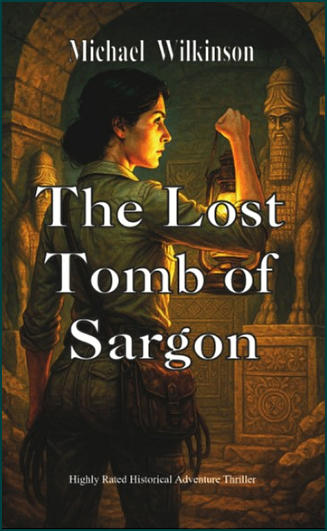
The Lost Tomb of Sargon
Michael Wilkinson
An Historiac Thriller
Willowbrook Cottage, Hampton-in-Arden 2023
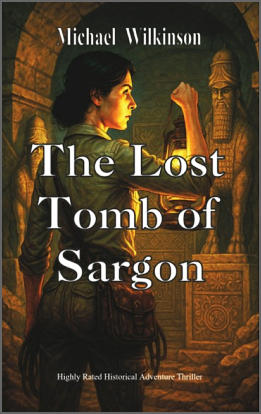
Dr Helen Brooks, an esteemed archaeologist, is in her mid-forties, with striking, bright and alert blue eyes that reflect her deep curiosity and passion for the ancient Assyrian Empire. At 5’7”, with a slender, eye-catching figure, the result of many physically demanding years spent in the field, often in hostile conditions. Her jet-black hair cascades down over her shoulders, often tied back in a ponytail when she’s working. With lightly tanned skin and faint lines around her eyes, from continually squinting in the bright sunlight, evidence of her many Middle and Near Eastern archaeological expeditions. When not in her khaki field kit, she wears scholarly-chic style attire—smart casual blouses, tailored slacks and low-heel ankle fashion boots. Sitting alone in her comfortable, softly lit study. The room is her haven of information and creativity, located at the back of her cottage, where a large bay window, with heavy velvet curtains on either side, overlooks her small cottage garden, which Helen tends in her spare time. The walls of the study were lined with floor-to-ceiling bookshelves filled with an impressive collection of dust-laden reference books, academic volumes, ancient manuscripts, maps, field notebooks, archaeology journals and photographs of past expeditions. The odour of old paper and leather-bound books fills the air, mingling with the faint aroma of freshly brewed Arabica espresso coffee. Her inlaid green leather solid oak Captain’s style desk, worn smooth by years of use, is usually cluttered with several research papers and well-thumbed research notebooks. A vintage globe sat on one corner of the desk, while a brass reading lamp on the other corner cast a warm glow over her work. In her hands, Helen held a large A3, carefully preserved high-resolution black-and-white photograph of an ancient clay tablet. The tablet is covered in intricate Arcadian cuneiform inscriptions, with symbols and characters arranged in a seemingly chaotic yet purposeful manner. As she gazes at the photograph, her keen eyes trace delicate lines and curves of the script, searching for patterns or hidden meanings. She has spent countless hours studying the tablet’s photograph, convinced it holds the key to one of the greatest archaeological mysteries of all time: the location of Assyrian King Sargon II’s long-lost tomb.
Ancient
long-lost
artefacts
have
recently
been
stumbled
upon,
during
an
archaeological
expedition,
creating
a
perilous
threat
to
humanity.
These
ancient
objects
possess
unimaginable
supernatural
powers.
The
fate
of
humanity
now
rests
on
the
shoulders
of
Helen
Brooks
who
must
embark
on
a
perilous
journey
to
find
and
safeguard
these
relics
before
it’s
too
late.
But
her
journey
is
fraught
with
danger
and
the
stakes
are
high.
Little
does
she
know
that
a
secret
clandestine
sect
is
watching
her
every
move
intending to ambush her and seize the artefacts. Will she and her team succeed in their dangerous quest?
For
centuries,
the
whereabouts
of
Sargon
ll’s
tomb
have
been
one
of
the
greatest
mysteries
of
ancient
history.
Unlike
other
Assyrian
kings,
whose
burial
sites
are
well-documented,
Sargon
ll’s
final
resting
place
was
lost
to
time
after
his
mysterious
death
at
the
Battle
of
Tabal.
Rumours
and
legends
suggest
that
his
tomb
is
hidden
in
a
remote,
sacred
location,
protected
by
powerful
curses
and supernatural forces.
£3:99

£7:99

Paperback
Ebook
Ancient
long-lost
artefacts
have
recently
been
stumbled
upon,
during
an
archaeological
expedition,
creating
a
perilous
threat
to
humanity.
These
ancient
objects
possess
unimaginable
supernatural
powers.
The
fate
of
humanity
now
rests
on
the
shoulders
of
Helen
Brooks
who
must
embark
on
a
perilous
journey
to
find
and
safeguard
these
relics
before
it’s
too
late.
But
her
journey
is
fraught
with
danger
and
the
stakes
are
high.
Little
does
she
know
that
a
secret
clandestine
sect
is
watching
her
every
move
intending
to
ambush
her
and
seize
the
artefacts.
Will
she
and her team succeed in their dangerous quest?
For
centuries,
the
whereabouts
of
Sargon
ll’s
tomb
have
been
one
of
the
greatest
mysteries
of
ancient
history.
Unlike
other
Assyrian
kings,
whose
burial
sites
are
well-documented,
Sargon
ll’s
final
resting
place
was
lost
to
time
after
his
mysterious
death
at
the
Battle
of
Tabal.
Rumours
and
legends
suggest
that
his
tomb
is
hidden
in
a
remote,
sacred
location, protected by powerful curses and supernatural forces.

Paperback
Ebook
£3:99
£7:99
Michael Wilkinson
Long Lost Tomb of Sargon
High stakes historucal thriller
Willowbrook Cottage, Hampton-in-Arden 2023
Dr Helen Brooks, an esteemed archaeologist, is in her mid-forties, with striking, bright and alert blue eyes that reflect her deep curiosity and passion for the ancient Assyrian Empire. At 5’7”, with a slender, eye-catching figure, the result of many physically demanding years spent in the field, often in hostile conditions. Her jet-black hair cascades down over her shoulders, often tied back in a ponytail when she’s working. With lightly tanned skin and faint lines around her eyes, from continually squinting in the bright sunlight, evidence of her many Middle and Near Eastern archaeological expeditions. When not in her khaki field kit, she wears scholarly-chic style attire—smart casual blouses, tailored slacks and low-heel ankle fashion boots. Sitting alone in her comfortable, softly lit study. The room is her haven of information and creativity, located at the back of her cottage, where a large bay window, with heavy velvet curtains on either side, overlooks her small cottage garden, which Helen tends in her spare time. The walls of the study were lined with floor-to-ceiling bookshelves filled with an impressive collection of dust-laden reference books, academic volumes, ancient manuscripts, maps, field notebooks, archaeology journals and photographs of past expeditions. The odour of old paper and leather-bound books fills the air, mingling with the faint aroma of freshly brewed Arabica espresso coffee. Her inlaid green leather solid oak Captain’s style desk, worn smooth by years of use, is usually cluttered with several research papers and well-thumbed research notebooks. A vintage globe sat on one corner of the desk, while a brass reading lamp on the other corner cast a warm glow over her work. In her hands, Helen held a large A3, carefully preserved high-resolution black-and-white photograph of an ancient clay tablet. The tablet is covered in intricate Arcadian cuneiform inscriptions, with symbols and characters arranged in a seemingly chaotic yet purposeful manner. As she gazes at the photograph, her keen eyes trace delicate lines and curves of the script, searching for patterns or hidden meanings. She has spent countless hours studying the tablet’s photograph, convinced it holds the key to one of the greatest archaeological mysteries of all time: the location of Assyrian King Sargon II’s long-lost tomb.
Menu
Michael Wilkinson
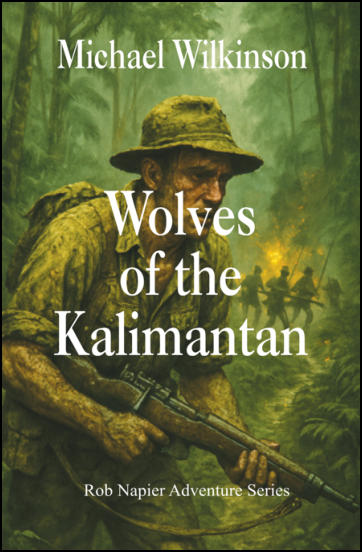
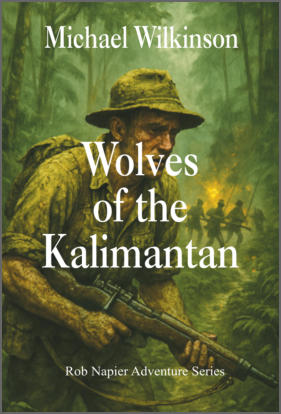
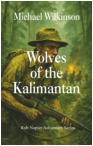
Wolves of the Kalimantan
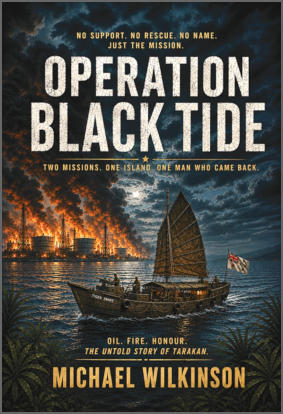
Rob Napier Adventure Thriller
But the primaeval jungle, with its treacherous terrain, venomous creatures and relentless swarms of mosquitoes, would not be their
only adversary.
To aid the team in their mission, they would rendezvous with Bret Chadwick, a fearless Australian Coastal Watcher who had spent
the last three months in Kalimantan, living among the indigenous Kenyah tribes.
One of these tribesmen, whose knowledge of the jungle paths and waterways was unmatched, had agreed to guide Napier’s team
through the dense undergrowth to the Japanese submarine base on the northeast coast.
But tribal trust was fragile, and in the wilds of Kalimantan, one misstep could turn allies into enemies.
Under the cover of night, they would board a submarine to begin their journey. From there, they would transfer to HMAS Tiger
Snake, a naval purpose-built Indonesian fishing junk specially disguised to blend in with local vessels.
The Tiger Snake would be their lifeline, their only means of slipping past the ever-vigilant Japanese patrol boats.
Their mission was fraught with danger, but Napier was no stranger to that.
As dawn broke over the Java Sea, the mission loomed large. Now, the fate of Australia’s and New Zealand’s essential supply lines
was in the balance.
Napier and his team would face their greatest challenge yet. Ahead of them lay the east coast of Kalimantan, where the Japanese
believed themselves invincible.
But Napier’s elite team was coming, the jungle awaited them, and so too did the enemy, unaware of the storm about to strike
them from the shadows.
The
year
was
1943,
and
the
war
in
the
Pacific
showed
no
signs
of
abating.
The
Japanese
Empire
had
dug
its
claws
deep
into
Southeast
Asia,
its
stranglehold
extending
across
the
South
Pacific.
Hidden
along
the
Kalimantan
coast,
a
Japanese
submarine
base
launched
devastating
attacks
on
Allied
supply
lines,
threatening
to
choke
off
vital
resources
to
Australia
and
New
Zealand.
To
the
outside world, the base was invisible, but to Major Rob Napier, it was a prime target.
Napier’s
journey
on
this
pivotal
mission
had
begun
a
year
earlier,
during
the
fall
of
Singapore
in
1942.
The
British
stronghold
once
thought
impregnable,
collapsed
under
the
weight
of
the
Japanese
onslaught.
Napier,
an
intelligence
officer
stationed
there,
had
narrowly
escaped
the
carnage.
With
the
city
falling
into
chaos
and
Japanese
forces
sweeping
through
the
streets,
he
had
struggled
injured
through
back
alleys
to
the
coast
where
he
was
smuggled
out
by
brave
Javanese
fishermen.
With
the
Japanese
hot
on
their
trail,
the
fishermen
ferried
him
across
the
perilous
sea
in
a
small,
weather-beaten
boat,
encountering
enemy
patrols.
The
escape
had
left
Napier
injured—his
right
arm
and
legs
seriously
wounded
from
shrapnel—but
alive.
Against
the
odds,
he
had
made
it
safely
back to Darwin, Australia, where the scars of Singapore drove him to take on a new fight.
Now,
in
1943,
Napier
had
been
handpicked
to
lead
an
elite
special-forces
team,
whose
mission
was
extremely
dangerous,
but,
critical
for
Australia’s
and
New
Zealand’s
survival.
Tasked
with
infiltrating
and
sabotaging
the
Japanese
submarine
base
hidden
in
Borneo’s
North
East
Kalimantan
coastline
and,
another
base
in
the
Solomon
Islands,
Napier
and
his
teams
were
operating
deep
behind enemy lines.
£3:99

£7:99

Paperback
eBook
Michael Wilkinson
T
he
year
was
1943,
and
the
war
in
the
Pacific
showed
no
signs
of
abating.
The
Japanese
Empire
had
dug
its
claws
deep
into
Southeast
Asia,
its
stranglehold
extending
across
the
South
Pacific.
Hidden
along
the
Kalimantan
coast,
a
Japanese
submarine
base
launched
devastating
attacks
on
Allied
supply
lines,
threatening
to
choke
off
vital
resources
to
Australia
and
New
Zealand.
To
the
outside
world,
the
base
was
invisible,
but to Major Rob Napier, it was a prime target.
Napier’s
journey
on
this
pivotal
mission
had
begun
a
year
earlier,
during
the
fall
of
Singapore
in
1942.
The
British
stronghold
once
thought
impregnable,
collapsed
under
the
weight
of
the
Japanese
onslaught.
Napier,
an
intelligence
officer
stationed
there,
had
narrowly
escaped
the
carnage.
With
the
city
falling
into
chaos
and
Japanese
forces
sweeping
through
the
streets,
he
had
struggled
injured
through
back
alleys
to
the
coast
where
he
was
smuggled
out
by
brave
Javanese
fishermen.
With
the
Japanese
hot
on
their
trail,
the
fishermen
ferried
him
across
the
perilous
sea
in
a
small,
weather-beaten
boat,
encountering
enemy
patrols.
The
escape
had
left
Napier
injured—his
right
arm
and
legs
seriously
wounded
from
shrapnel—but
alive.
Against
the
odds,
he
had
made
it
safely
back
to
Darwin,
Australia,
where
the
scars
of Singapore drove him to take on a new fight.
Now,
in
1943,
Napier
had
been
handpicked
to
lead
an
elite
special-forces
team,
whose
mission
was
extremely
dangerous,
but,
critical
for
Australia’s
and
New
Zealand’s
survival.
Tasked
with
infiltrating
and
sabotaging
the
Japanese
submarine
base
hidden
in
Borneo’s
North
East
Kalimantan
coastline
and,
another
base
in
the
Solomon
Islands,
Napier
and
his
teams
were
operating
deep
behind
enemy
lines.
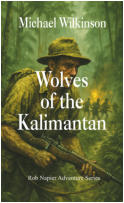
Wolves of the Kalimantan
Rob Napier Adventure Thriller
But
the
primaeval
jungle,
with
its
treacherous
terrain,
venomous
creatures
and
relentless
swarms
of
mosquitoes, would not be their only adversary.
To
aid
the
team
in
their
mission,
they
would
rendezvous
with
Bret
Chadwick
,
a
fearless
Australian
Coastal
Watcher
who
had
spent
the
last
three
months
in
Kalimantan,
living
among
the
indigenous
Kenyah tribes
.
One
of
these
tribesmen,
whose
knowledge
of
the
jungle
paths
and
waterways
was
unmatched,
had
agreed
to
guide
Napier’s
team
through
the
dense
undergrowth
to
the
Japanese
submarine
base
on
the
northeast coast.
But tribal trust was fragile, and in the wilds of Kalimantan, one misstep could turn allies into enemies.
Under
the
cover
of
night,
they
would
board
a
submarine
to
begin
their
journey.
From
there,
they
would
transfer
to
HMAS
Tiger
Snake
,
a
naval
purpose-built
Indonesian
fishing
junk
specially
disguised
to blend in with local vessels.
The
Tiger
Snake
would
be
their
lifeline,
their
only
means
of
slipping
past
the
ever-vigilant
Japanese
patrol boats.
Their mission was fraught with danger, but Napier was no stranger to that.
As
dawn
broke
over
the
Java
Sea
,
the
mission
loomed
large.
Now,
the
fate
of
Australia’s
and
New
Zealand’s essential supply lines was in the balance.
Napier
and
his
team
would
face
their
greatest
challenge
yet.
Ahead
of
them
lay
the
east
coast
of
Kalimantan, where the Japanese believed themselves invincible.
But
Napier’s
elite
team
was
coming,
the
jungle
awaited
them,
and
so
too
did
the
enemy,
unaware
of
the storm about to strike them from the shadows.

Paperback
Ebook
£3:99
£7:99
Menu
Michael Wilkinson
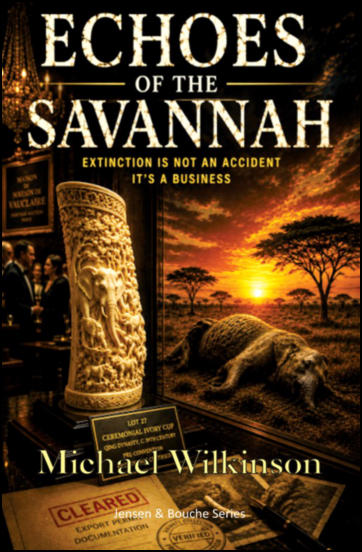
Matt Jensen and Lisette Bouche Series
£3:99

£8:95

Paperback
eBook
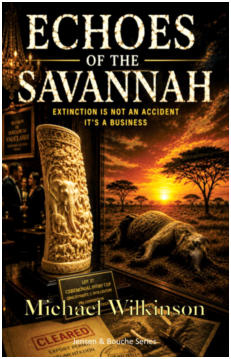
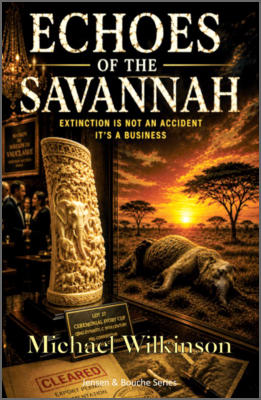
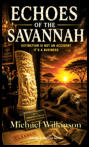
Some crimes wear suits. Some wear silence.
Both leave the same bodies at dawn.
When
Kenyan
wildlife
ranger
Elias
Mwangi
arrives
at
yet
another
kill
site
in
the
Amboseli
reserve
—
tusks
gone,
a
calf
pressing
against
a
mother
that
will
never
rise
—
he
understands
something
the
official
reports
will
not
say:
this
is
not
poaching.
This
is
an
extraction
operation.
Precise,
scheduled,
and
run
by
people
who
have
never
once
stood
in
the
dust
where
the
dying
happens.
In
Interpol’s
Lyon
HQ
data
confirms
what
the
field
already
knows.
Seizures
are
up.
Animal
populations
are
falling.
The
numbers
don't
reconcile.
Something
is
moving
through
channels
no
one
is
watching
—
and
the
network
behind
it
has
spent
years making itself indistinguishable from the legitimate world.
Enter
Matt
Jensen
and
Lisette
Bouche
of
JB
Associates
—
former
intelligence
operatives
who
operate
in
the
space
between
institutional
mandates.
Matt
goes
to
the
ground
in
Amboseli.
Lisette
goes
to
the
paper.
What
they
find
changes
the
shape
of
everything they thought they were fighting.
Echoes
of
the
Savannah
moves
between
the
dust
of
East
Africa
and
the
polished
rooms
of
European
finance,
between
men
who
guard
a
fence
line
with
rifles
and
women
who
trace
a
system
with
billing
codes
and
provenance
letters.
It
is
a
story
about
two
kinds
of
war
fought
across
two
kinds
of
terrain,
and
about
what
happens
when
the
people
waging
both
finally
understand
they
are looking at the same enemy from opposite ends.
The ivory trade. The horn trade.
The big-cat trade. The luxury lanes that carry all three.
The
Archive
.
A
word
that
moves
men
like
a
switch.
A
function
so
carefully
built
that
no
single
piece
of
it
ever
carries
a
name
— until, finally, one does.
From
the
kill
sites
of
Amboseli
to
the
auction
rooms
of
Paris,
from
the
bonded
storage
vaults
of
Luxembourg
to
a
quiet
residential
street
in
Geneva,
Echoes
of
the
Savannah
follows
a
trail
that
leads
not
to
a
poacher,
not
to
a
courier,
not
to
a
logistics
firm,
but
to
the
man
who
designed
the
entire
architecture
of
exploitation
—
and
then
withdrew
behind
it
so
completely that the system itself became his disguise.
A
literary
thriller
about
wildlife
crime,
institutional
complicity,
and
the
long,
costly
work
of
dismantling
a
system
built
specifically to outlast the people trying to stop it.
The Real-World Wildlife Crime Behind my Novel
The hidden criminal economy threatening Africa's wildlife
Extinction isn't an accident. It's a business.
That is the central idea behind Echoes of the Savannah —but the wildlife crime at the heart of the novel is rooted in a very real global problem. Illegal wildlife trafficking is no longer simply a matter of poachers entering a national park and killing an animal. Modern wildlife crime can involve organised criminal networks operating across borders, corruption, document fraud, transportation, financial transactions and international markets. The animals may be killed thousands of miles from the people who ultimately profit from their deaths. The result is a criminal economy in which elephants, rhinoceroses, big cats and many other species can become commodities. According to the United Nations Office on Drugs and Crime (UNODC), wildlife trafficking is part of the wider globalised illegal economy and shares characteristics with other forms of transnational organised crime. Its 2024 World Wildlife Crime Report specifically examines illegal trade in elephant ivory, rhinoceros horn and big-cat bones, among other wildlife products. (UNODC)Ivory: when an elephant becomes a commodity
Few wildlife products have become as internationally recognisable as elephant ivory.
The tusks of an elephant can be transformed into carvings, ornaments, jewellery and other objects. But behind every illegally obtained tusk is the death or suffering of an animal and the loss of an important member of an ecosystem. Ivory trafficking is also a supply-chain problem. Poaching takes place at source, but the ivory must then be collected, moved, concealed, transported and sold. This creates opportunities for intermediaries, corrupt officials, document fraud and international trafficking networks. Seizures provide only a partial picture. UNODC cautions that seizure data represent an unknown proportion of actual illegal trade flows, meaning that what authorities intercept cannot simply be assumed to represent the full scale of the market. (UNODC) That distinction is important. A seizure is not necessarily the crime. It is evidence of the crime. And behind a single intercepted shipment may be a much larger network of suppliers, financiers, transporters, brokers and buyers.Rhino horn: rarity, demand and organised crime
Rhinoceros horn presents another particularly disturbing example.
Rhino horn has been targeted by international trafficking networks for decades. The Wildlife Justice Commission's global threat assessment, submitted to CITES, examined hundreds of rhino-horn seizure incidents between 2012 and 2021 and identified trafficking as a form of transnational organised crime. (CITES) The horn's value is driven not by any scientifically demonstrated medicinal benefit, but by demand, cultural beliefs, status and perceptions of rarity. CITES has described rhino horn and other high- value wildlife derivatives as targets for transnational organised crime groups. (CITES) For criminals, the attraction is obvious: a relatively small quantity of a highly valuable commodity can cross borders through sophisticated trafficking networks. For the rhinoceros, the consequences are catastrophic. A poached rhino is not simply a lost commercial asset. It represents the loss of a breeding animal, the disruption of a population and, in some cases, the abandonment of a dependent calf. That human and ecological cost rarely appears in a trafficking ledger.Big cats and the trade in derivatives
Wildlife crime does not stop with ivory and horn.
Big cats are also targeted for their skins, bones and other body parts. CITES reporting has identified traditional medicine products, bones and skins among the big-cat specimens most frequently seized, with tiger and leopard specimens featuring prominently. (CITES) UNODC's 2024 analysis also examines trafficking connected to the big-cat bone trade, including concerns about the sourcing and processing of lion and other big-cat parts. (UNODC) This reveals another characteristic of wildlife trafficking: criminals can diversify. When one commodity becomes harder to obtain, another may become attractive. When enforcement increases in one country, routes can shift. When demand changes, products can be repackaged or redirected towards another market. The animal becomes the source of a commodity portfolio. That is one of the darker themes explored in Echoes of the Savannah .Wildlife crime and organised criminal networks
The image of a lone poacher acting independently can obscure the larger reality.
A person carrying a rifle in a reserve may be only one component of a much wider operation. Behind the person at the point of extraction may be someone supplying information, equipment or money. Further along the chain there may be intermediaries, transporters, document specialists, corrupt facilitators, wholesalers and buyers. The criminal structure may not resemble a traditional hierarchy. It can operate through compartmentalised networks in which individuals know only what they need to know. That makes wildlife crime particularly difficult to investigate. CITES has repeatedly emphasised that wildlife crime can involve organised criminal networks, corruption and sophisticated cross-border techniques. It has also stressed that wildlife crime requires responses involving more than wildlife agencies alone—including customs, police, financial investigators, prosecutors and international cooperation. (CITES)The money behind the killing
Perhaps the most important lesson is that wildlife crime should not be viewed solely as a conservation problem. It is also a financial and organised-crime problem. Money generated by illegal wildlife trafficking can move through legitimate-looking commercial structures, while companies, logistics operations and other businesses may provide opportunities to conceal ownership, movement or transactions. This is why following the money can be as important as following the poacher. An investigation that arrests people at the point of extraction may stop one operation. An investigation that identifies the financiers, facilitators, transport networks and beneficiaries can potentially disrupt an entire criminal structure. That is the principle behind Matt Jensen and Lisette Bouche's investigation in Echoes of the Savannah . Their challenge is not simply to find who killed the animals. It is to discover who benefits.Conservation is more than protecting animals
The consequences of wildlife trafficking extend beyond individual species.
Elephants, rhinos and large predators form part of complex ecosystems. Their disappearance can alter ecological relationships and affect landscapes and the communities that depend upon them. Wildlife crime can also undermine legitimate conservation, tourism, local livelihoods and confidence in law enforcement. CITES has warned that wildlife crime can damage ecosystems, livelihoods and development opportunities while contributing to the risk of species extinction. (CITES) This is why protecting wildlife requires more than armed patrols. Rangers remain essential. They are often the people standing between endangered animals and armed criminals. But they cannot win the wider battle alone. Effective responses require intelligence sharing, forensic investigation, customs enforcement, financial investigation, international cooperation, prosecution, corruption prevention, community engagement and demand reduction. The fight must reach the entire chain.The reality behind Echoes of the Savannah
Echoes of the Savannah is a work of fiction.
The characters of Commander Matt Jensen, Commander Lisette Bouche, Chief Ranger Elias Mwangi, The Archive and The Curator are all fictional creations. But the criminal environment surrounding them reflects a genuine global challenge. The novel asks a simple question:What happens when wildlife crime is treated not as isolated poaching, but as organised international commerce?
The answer is frightening.
Because the men carrying rifles may be the easiest part of the problem to see. The real challenge lies farther away—in the financial systems, transportation networks, corrupt relationships, legitimate businesses and markets that allow wildlife products to move from a dead animal in Africa to a valuable commodity somewhere else in the world. The distance between those two points is where the real battle takes place. And somewhere along that journey, an animal disappears from the world forever. 1 . An elephant loses its tusks. 2 . A rhino leaves behind an orphan. 3 . A lion becomes bones. 4 . A tiger becomes a skin. 5 . A living creature becomes a transaction.That is the reality behind the fiction
And that is why Echoes of the Savannah matters
Some crimes wear suits. Some wear silence.
Both leave the same bodies at dawn.
When
Kenyan
wildlife
ranger
Elias
Mwangi
arrives
at
yet
another
kill
site
in
the
Amboseli
reserve
—
tusks
gone,
a
calf
pressing
against
a
mother
that
will
never
rise
—
he
understands
something
the
official
reports
will
not
say:
this
is
not
poaching.
This
is
an
extraction
operation.
Precise,
scheduled,
and
run
by
people
who
have
never
once
stood
in
the
dust
where
the dying happens.
In
Interpol’s
Lyon
HQ
data
confirms
what
the
field
already
knows.
Seizures
are
up.
Animal
populations
are
falling.
The
numbers
don't
reconcile.
Something
is
moving
through
channels
no
one
is
watching
—
and
the
network
behind
it
has
spent
years
making
itself
indistinguishable
from the legitimate world.
Enter
Matt
Jensen
and
Lisette
Bouche
of
JB
Associates
—
former
intelligence
operatives
who
operate
in
the
space
between
institutional
mandates.
Matt
goes
to
the
ground
in
Amboseli.
Lisette
goes
to
the
paper.
What
they
find
changes
the
shape
of
everything
they
thought
they
were fighting.
Echoes
of
the
Savannah
moves
between
the
dust
of
East
Africa
and
the
polished
rooms
of
European
finance,
between
men
who
guard
a
fence
line
with
rifles
and
women
who
trace
a
system
with
billing
codes
and
provenance
letters.
It
is
a
story
about
two
kinds
of
war
fought
across
two
kinds
of
terrain,
and
about
what
happens
when
the
people
waging
both
finally
understand
they
are
looking
at
the
same
enemy
from
opposite
ends.
The ivory trade. The horn trade.
The big-cat trade. The luxury lanes that carry all three.
The
Archive
.
A
word
that
moves
men
like
a
switch.
A
function
so
carefully
built
that
no
single
piece
of
it
ever
carries
a
name
—
until,
finally, one does.
From
the
kill
sites
of
Amboseli
to
the
auction
rooms
of
Paris,
from
the
bonded
storage
vaults
of
Luxembourg
to
a
quiet
residential
street
in
Geneva,
Echoes
of
the
Savannah
follows
a
trail
that
leads
not
to
a
poacher,
not
to
a
courier,
not
to
a
logistics
firm,
but
to
the
man
who
designed
the
entire
architecture
of
exploitation
—
and
then
withdrew
behind it so completely that the system itself became his disguise.
A
literary
thriller
about
wildlife
crime,
institutional
complicity,
and
the
long,
costly
work
of
dismantling
a
system
built
specifically
to
outlast
the
people trying to stop it.
Michael Wilkinson
Echoes of the Savannah
Matt Jensen & Lisette Bouche Adventure Thriller

Paperback
Ebook
£3:99
£8:95
Menu
Meet the Characters
Michael Wilkinson
Commander Matt Jensen
Former Naval Intelligence commander with a mind honed in the crucible of covert operations, Matt Jensen is a force to be reckoned with. His tactical brilliance and unwavering commitment to duty have earned him a reputation as the go-to operative when the stakes are highest. But beneath the stoic exterior lies a complex character with a haunted past, driving him to confront not only external threats but the demons within.

The Jensen & Bouche Chronicles
Commander Lisette Bouche
Matt's equally formidable counterpart, brings a unique blend of eloquence and strategic acumen to the world of intelligence. A linguistics expert with an uncanny ability to decode cryptic messages, Bouche's brilliance lies not only in her analytical mind but also in her capacity to navigate the intricate web of international politics. Her presence is magnetic, her resolve unyielding, and she is determined to uncover the truth, no matter the cost.

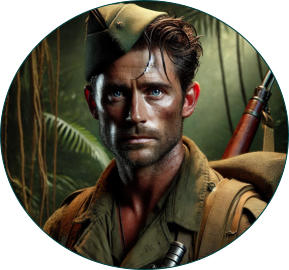
Colonel Rob Napier
Colonel Rob Napier is a seasoned Australian special ops’ commando operating in the brutal jungle war of the Pacific. Hardened by
years of relentless frontline combat, he’s a man of quiet intensity, carrying the weight of lives lost and missions barely survived. His
leadership is instinctual, his decisions precise, but beneath the surface lies a man deeply haunted by what war demands of him—and
what it may leave behind.

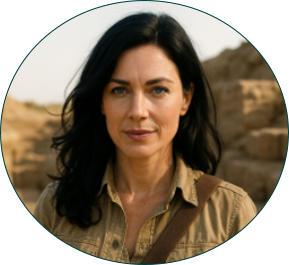
Dr Helen Brooks
Helen
Brooks
one
of
the
most
reknown
field
archaeologist,
with
over
two
decades
of
experience,
has
led
numerous
expeditions
in
the
near-east
and
far-east,
specialising
in
ancient
civilizations.
Educated
at
Oxford
University,
Helen
earned
her
doctorate
in
Archaeology
with
a
focus
on
ancient
burial
practices
and
artifact
preservation.
She
assists
the
British
Museum,
curating
exhibitions
and writing academic research papers for Oxford University

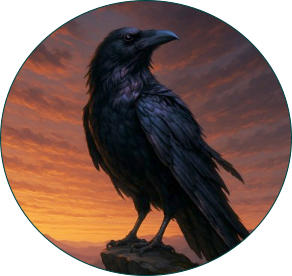
Angharad
Species:
Raven
Age:
Older
Adult
Wingspan:
160
cm
Distinguishing
Features:
Deep-set
eyes,
bold
black
feathers
with
a
faint
purple
sheen,
slightly
ragged
left
wing
from
an
old
injury.
Personality:
Intelligent,
philosophical,
determined,
patient,
and
deeply
observant.
A
natural
strategist
and
communicator,
Angharad
blends
instinct
and
reason
to
become
an
inspirational
leader—not
through
domination, but by listening, teaching, and unifying.

Rob Napier Series
Dr Helen Brooks Series
Realm of the Raven Series



Michael Wilkinson
Meet the Chacracters
Commander Matt Jensen
Former Naval Intelligence commander with a mind honed in the crucible of covert operations, Matt Jensen is a force to be reckoned with. His tactical brilliance and unwavering commitment to duty have earned him a reputation as the go-to operative when the stakes are highest. But beneath the stoic exterior lies a complex character with a haunted past, driving him to confront not only external threats but the demons within.

Jensen & Bouche Chronicles
Commander Lisette Bouche
Matt's equally formidable counterpart, brings a unique blend of eloquence and strategic acumen to the world of intelligence. A linguistics expert with an uncanny ability to decode cryptic messages, Bouche's brilliance lies not only in her analytical mind but also in her capacity to navigate the intricate web of international politics. Her presence is magnetic, her resolve unyielding, and she is determined to uncover the truth, no matter the cost.

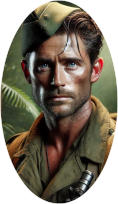
Colonel Rob Napier
Colonel Rob Napier is a seasoned Australian special ops’ commando operating in the brutal jungle war of the Pacific. Hardened by years of relentless frontline combat, he’s a man of quiet intensity, carrying the weight of lives lost and missions barely survived. His leadership is instinctual, his decisions precise, but beneath the surface lies a man deeply haunted by what war demands of him—and what it may leave behind.
Rob Napier Series
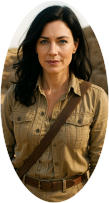
Dr Helen Brooks
Helen Brooks one of the most reknown field archaeologist, with over two decades of experience, has led numerous expeditions in the near-east and far-east, specialising in ancient civilizations. Educated at Oxford University, Helen earned her doctorate in Archaeology with a focus on ancient burial practices and artifact preservation. She assists the British Museum, curating exhibitions and writing academic research papers for Oxford University
Dr Helen Brook Series
Angharad
Species: Raven Age: Older Adult Wingspan: 160 cm Distinguishing Features: Deep-set eyes, bold black feathers with a faint purple sheen, slightly ragged left wing from an old injury. Personality: Intelligent, philosophical, determined, patient, and deeply observant. A natural strategist and communicator, Angharad blends instinct and reason to become an inspirational leader—not through domination, but by listening, teaching, and unifying.
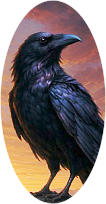
Realm of the Raven Series
Menu

Meet Michael Wilkinson
Whether you're after daring adventures, historical secrets or real-world insights into risk, you’ve come to the right place.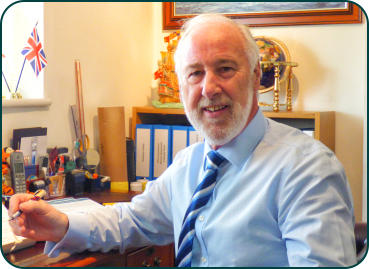
Welcome
to
my
world
of
adventure
where
echoes
of
the
past
shape
destinies
of
the
present.
As
a
passionate
author
of
adventure
and
historical
fiction,
my
quest
is
to
bring
to
life
legends,
clandestine
missions,
and
heart-
pounding
encounters
that
plunge
readers
deep
into
the
pulse
of
storytelling.
From
ancient
secrets,
wartime
stories
to
modern-day
espionage,
my
novels
are
driven
by
characters
who
defy
danger
and
challenge
fate.
Based
in
England,
I
write
from
a
picturesque
canal-side
village
nestled
deep
in
the
Northamptonshire
countryside,
the
perfect setting for crafting stories steeped in intrigue, atmosphere, and discovery.
My Novel Series
My
Jensen
and
Bouche
Series
follows
the
perilous
assignments
of
ex–Naval
Intelligence
Chief
and
ex
MI6
commander
Matt
Jensen
,
whose
assignments
evolve
into
global
operations
alongside
his
ex
DGSI
French
Secret
Service partner
Lisette Bouche
, blending spy craft, geopolitics, and psychological tension.
The
Rob
Napier
Series
delves
into
the
sabotage
missions
of
Australian
special
forces
during
World
War
II
,
chronicling
their
daring
exploits
behind
Japanese
enemy
lines
and
the
resilience
of
men
tested
by
loyalty,
loss,
and jungle survival.
In
the
Dr
Helen
Brooks
Series
,
readers
are
invited
into
the
shadowed
corridors
of
her
historical
expeditions,
through
the
eyes
of
Dr.
Helen
Brooks
,
a
renowned
archaeologist
in
uncovering
the
lost
empires
of
ancient
civilisations and the deadly secrets buried beneath the sands of time.
The
Realm
of
the
Raven
Series
explores
the
Ravens
captive
escape
from
the
Tower
of
London,
their
journey
to
their
ancient
homeland,
and
weaving
the
atmospheric
tapestry
of
their
eternal
struggle
between
the
Ravens
and Resident Eagles in the Scottish Highlands.
Non Fiction Series
Drawing
on
my
successful
career
background
as
a
risk
management
consultant
and
international
speaker
and
trainer
,
I’m
also
in
the
process
of
writing
a
series
non-fiction
risk-based
management
handbooks
—
practical
resources designed to bring clarity and confidence to complex systems.
My
first
book
in
this
series
is
due
for
publication
in
2026.
Titled
the
SEQEx
AI
Unified
Management
System
,
an
innovated
groundbreaking
approach
to
unifying
key
business
management
disciplines,
using
AI
(artificial
intelligence)
tools
to
enhance
business
performance,
simplify
decision-making,
improve
resilience,
and
create
a
smarter, connected unified business management blueprint framework for modern organisations.
mail@elginhouse.co.uk
www.elginhouse.uk
Michael Wilkinson
Michael Wilkinson
Michael Wilkinson
mail@elginhouse.co.uk
www.elginhouse.uk
Michael Wilkinson
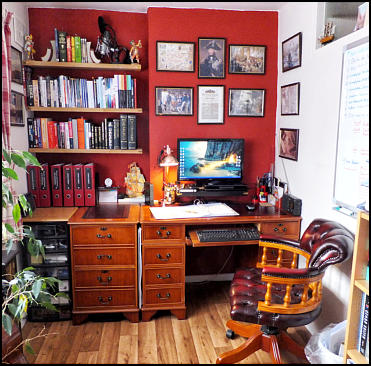
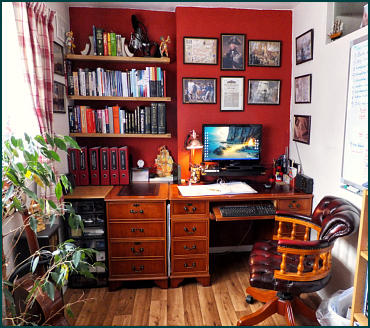
The Cabin - where I write my books
Menu
Author of Spellbinding Adventure
& Historical Fiction Novels.
As a passionate adventure and historical fiction author, I bring
thrilling legends and exciting stories and the past to life
through intense encounters and clandestine Missions. My
books take readers on a journey into the heart of storytelling.
As a passionate adventure and historical fiction author, I bring
thrilling legends and exciting stories and the past to life
through intense encounters and clandestine Missions. My
books take readers on a journey into the heart of storytelling.
I’m based in England and live in a quintessential canal side
village in the Northamptonshire countryside.
I specialise in writing adventure and mystery novels, with a
twist of the heart. My first series of novels follows the
hazardous assignments of an ex Naval Intelligence Chief and
MI6 commander Matt Jensen in the ‘Jensen’ series. In 2021
my planned series of novels we follow the assignment
missions of Matt Jensen and Lisette Bouche.
Due to my long and successful professional risk management
consulting and international speaking career I am also writing
a series of risk-based management system handbooks, with
supporting pocket guides.